Dental Implants

Dental Implants
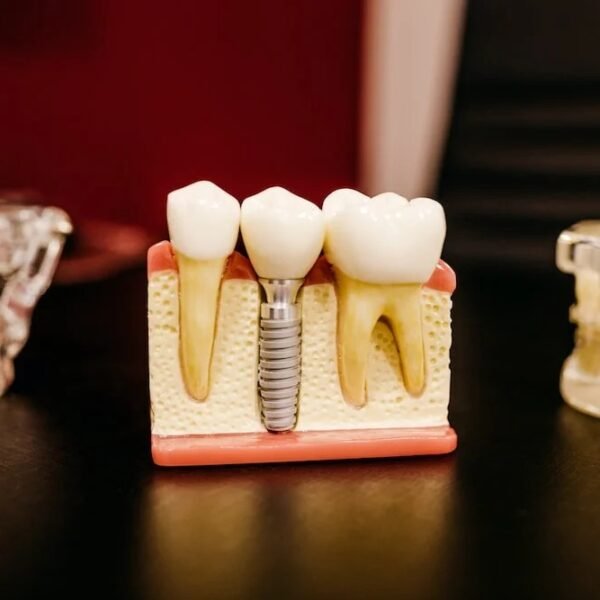
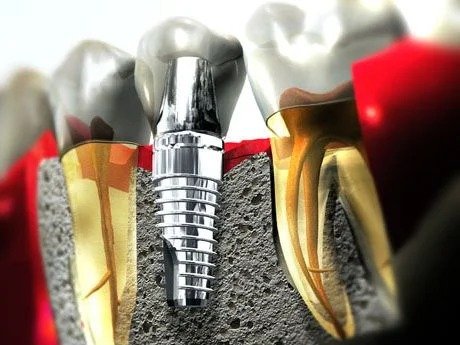
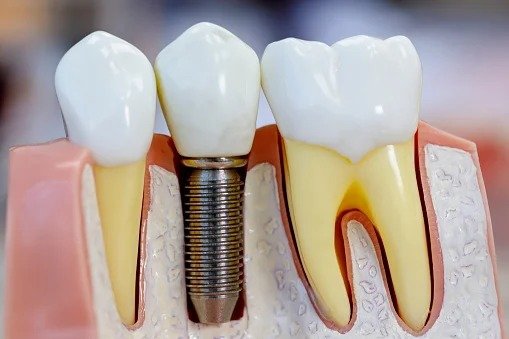
Dental implants are artificial tooth roots made of Nickel-Titanium or other biocompatible materials that are surgically placed into the jawbone to support prosthetic teeth.
They are a popular and effective option for people who have lost one or more teeth due to injury, decay, or disease.
In this article, we will explore dental implants in more detail, including their benefits, the implant procedure, aftercare, and potential risks.
Implant Procedure:
The dental implant procedure typically involves few steps, including consultation, implant placement, and restoration.
During the initial consultation, the dentist will examine the patient’s mouth, take X-rays or scans, and determine if the patient is a suitable candidate for dental implants.
Patients who have sufficient jawbone density and good oral health are typically good candidates for implants.
Next, the implant placement procedure will be scheduled.
During this procedure, the dentist will use a local anesthetic to numb the area and then make an incision in the gum tissue to access the jawbone. A small drilling is done into the bone, and then implant is placed into the bone.
The gum tissue is then sutured and closed, and the patient will be recalled after 3 months, while the implant integrates with the jawbone.
The integration process, known as osseointegration, can take 3 months to complete. During this time, the implant fuses with the surrounding bone tissue and becomes a permanent part of the jawbone. Once osseointegration is complete, the patient will return to the dentist to have the final restoration placed. This may include a crown, bridge, or denture, depending on the number of teeth being replaced.
Latest Equipments we have:
Physiodispenser
Implant Surgical Guide Kit
Sinus Lift Kit